
Reclaiming Yourself Through Self-Care: A Conversation with Dr. Katie Murphy
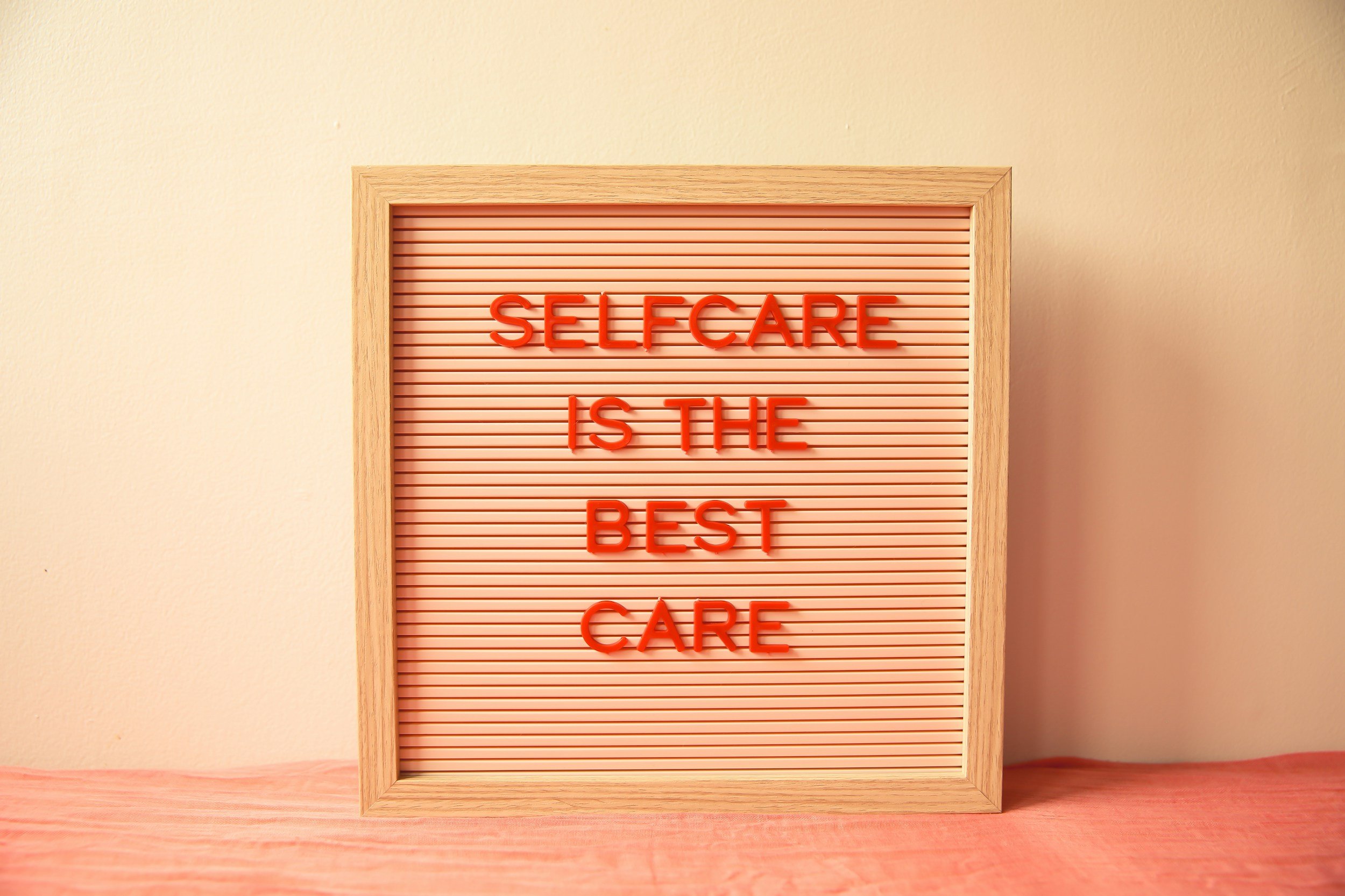
Sign that says, “Self Care is the Best Care”
Motherhood has a way of stretching us in directions we never expected. It asks us to hold so much—children’s needs, home rhythms, emotional labor, schedules, meals, relationships—and it rarely offers space to hold ourselves.
In this week’s episode of Everyday Supermoms, I sat down with Dr. Katie Murphy, a chiropractor, coach, and mom of four daughters, who offered one of the most honest reflections on self-care I’ve heard in years. Katie’s story is not polished or theoretical. It is raw, lived, and deeply relatable: a woman who loved her work, loved her family, and still found herself buried under postpartum depression and emotional exhaustion.
For nearly a decade, Katie describes herself as “not well.” She felt overwhelmed, easily triggered, and disconnected from the person she used to be. She yelled more than she wanted to, lost her patience quickly, and often withdrew when she felt out of control. And like so many moms, she carried intense guilt about it.
Her turning point didn’t come from a big revelation. It came from movement. A friend reached out, invited her into a fitness community, and—almost reluctantly—Katie said yes. What happened next wasn’t quick, but it was transformative.
Why Self-Care Must Support the Nervous System
As a therapist, I see this pattern often: when we’re overwhelmed, our bodies shift into survival mode. We lose emotional tolerance, our patience shrinks, and small things feel enormous. Movement is one of the most effective ways to regulate the nervous system. It releases tension, supports hormone balance, increases energy, and creates space for emotional grounding.
Katie experienced this firsthand. Exercise didn’t “fix” her life overnight, but it gave her the internal resources to handle it. Over time, she noticed she felt calmer, more centered, more present. She began waking up a few minutes before her kids to breathe, pray, and prepare her heart for the day. Small shifts compounded into big ones.
The Myth That Self-Care Is Selfish
One of the strongest themes from our conversation was the belief many mothers carry:
“I don’t deserve this time.”
“My needs come last.”
“Self-care takes away from my family.”
Katie had to unravel these beliefs within herself before she could build sustainable habits. We talked about how self-care is less about luxury and more about stewardship—tending to the body and mind God entrusted to us so we can love the people around us from a whole, grounded place.
Diet Culture, Body Image, and Raising Daughters
As a mom of four girls, Katie is navigating another layer many women face: balancing healthy habits without feeding diet culture. She shares candidly how her early language about food (“good” vs. “bad”) shaped her daughters’ perceptions—and how she continues to reframe it with nuance and compassion. Like so many of us, she is still learning to speak kindly about her own body while modeling emotional and physical health for her children.
The Purpose Behind the Practice
Katie emphasizes that sustainable self-care begins with purpose, not perfection. When a mom understands her deeper “why”—to be a calmer parent, a healthier partner, a more grounded person—it becomes easier to create space for change. Action leads to motivation, not the other way around.
A Gentle Invitation
If you feel stretched thin, disconnected from yourself, or unsure where to begin, Dr. Katie’s story reminds us that nothing changes all at once. But everything can change over time. One choice, one walk, one moment of honesty with yourself can open the door to a completely different season.
If you’d like support on your own journey, I offer therapy for moms in Littleton, Colorado, and online across the state. You can schedule a free 15-minute consult to explore whether therapy might help you rebuild your energy, heal old patterns, and reconnect with the version of you you’ve been missing.
🔗 Listen to the full episode here
Recommended Resources
Local therapy with a maternal mental health specialist
Therapeutic Disclaimer
This article is for educational purposes and is not a substitute for therapy. Reading this does not create a therapist–client relationship. If you’re struggling with safety, emotional overwhelm, or symptoms of depression, please reach out to a licensed professional or crisis service.
